

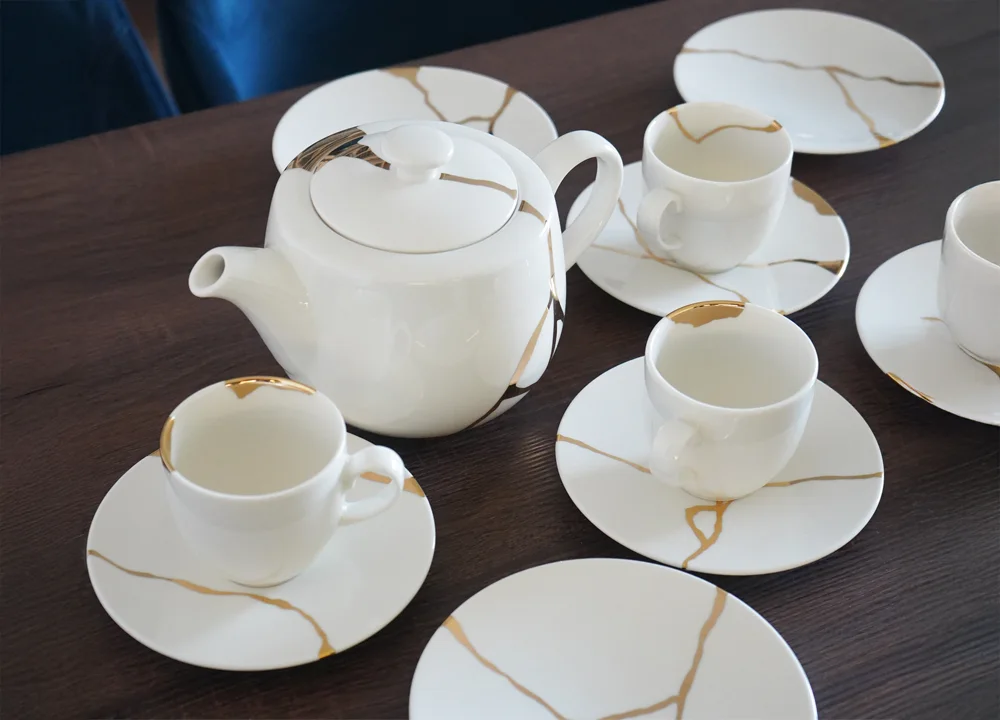
Bone china is a type of ceramic renowned for its delicate appearance, unique translucency, and remarkable strength. It has been admired for centuries as a luxury tableware choice, combining elegance with durability. But what exactly is bone china, and what makes it distinct from other types of ceramics? In this blog, we’ll dive into the origins, production process, properties, and benefits of bone china to help you understand its unique place in the world of ceramics.
The Origins of Bone China
Bone china has its roots in England, where it was first developed in the mid-18th century as an attempt to create a porcelain-like material with added resilience. Traditional porcelain had a reputation for fragility, which limited its use in certain applications. In the 1740s, English potters discovered that adding bone ash (derived from animal bones) to their clay mixture could create a ceramic that was stronger, more translucent, and more refined than regular porcelain. This innovation quickly led to the rise of bone china as a prestigious choice for fine dining, favored by both the aristocracy and the emerging upper-middle class.
The Production Process of Bone China
The process of creating bone china is both intricate and labor-intensive, which contributes to its luxurious appeal. Here are the main stages:
- Material Composition: Bone china is made from a mix of bone ash, kaolin (a fine white clay), and feldspar. The bone ash, typically from cow bones, is crucial to the ceramic’s strength and unique properties, as it makes up about 30-45% of the final product.
- Molding and Shaping: After the raw materials are blended, the mixture is molded into the desired shapes. The shaping process can be done by hand or with the assistance of molds for more intricate designs. Skilled artisans often work meticulously to ensure precision in each piece, adding to the craftsmanship.
- Firing: Bone china undergoes two stages of firing. The first firing, or “bisque firing,” hardens the clay, allowing it to maintain its shape. Afterward, the piece is glazed and then subjected to a second firing, known as “glaze firing,” at extremely high temperatures (about 1,200°C). This creates the signature glossy, smooth finish that bone china is known for and enhances its durability.
- Decorating and Detailing: Some bone china pieces are hand-painted or decorated with intricate designs. This stage often includes applying patterns, gilding (using gold or silver accents), and even using transfer printing techniques to create elegant details.
The entire process requires a high level of craftsmanship and attention to detail, which is why authentic bone china is more expensive than other ceramics.
Key Properties of Bone China
Bone china is distinctive for several reasons:
- Translucency: One of the unique features of bone china is its translucent quality. When held up to light, it allows a slight glow to pass through, lending a delicate, almost ethereal look to the material.
- Strength and Durability: Contrary to its fragile appearance, bone china is extremely durable. The bone ash content makes it stronger than traditional porcelain, making it suitable for everyday use as well as special occasions.
- Lightweight: Despite its strength, bone china is lighter than other ceramics, making it easy to handle and ideal for fine dining.
- Smooth and Glossy Finish: The high-gloss finish of bone china gives it a luxurious look and feel, which enhances any table setting.
Bone China vs. Porcelain and Stoneware
Bone china, porcelain, and stoneware are all popular ceramics, but they each have distinct characteristics:
- Porcelain is strong and smooth but lacks the translucency of bone china. While porcelain can be more affordable, it is typically heavier and less refined in appearance.
- Stoneware is durable and well-suited for casual, everyday use. It has a thicker, more rustic look compared to bone china. Stoneware is often more resistant to chipping but lacks the delicate feel and appearance of bone china.
Bone china’s unique combination of strength, translucency, and refined look sets it apart, especially in formal or luxury dining settings.
The Benefits of Bone China Tableware
There are several benefits to choosing bone china for your tableware:
- Elegant Presentation: Bone china adds a touch of elegance to any meal, making even casual dining feel like a special occasion.
- Durability for Everyday Use: Despite its delicate appearance, bone china is durable enough for daily use. It resists chipping and cracking, making it a long-lasting investment.
- Lightweight and Easy to Handle: Bone china is lightweight and easy to handle, ideal for serving dishes without feeling cumbersome.
- Suitable for Various Occasions: Bone china’s versatility allows it to transition seamlessly between everyday dining and formal events, making it a practical yet luxurious choice.
Caring for Bone China
To keep your bone china looking pristine, follow these care tips:
- Hand Washing: While many bone china items are dishwasher safe, hand washing is recommended, especially for pieces with metallic decorations.
- Avoid Sudden Temperature Changes: Bone china is sensitive to thermal shock, so avoid exposing it to extreme temperature changes to prevent cracking.
- Gentle Handling: Bone china is strong, but gentle handling helps preserve its beauty and extend its lifespan.
Bone china’s unique characteristics make it a favored choice for those who appreciate both beauty and functionality in their tableware. Its delicate appearance, combined with surprising durability, makes it suitable for everything from daily meals to special occasions. Choosing bone china not only enhances your dining experience but also brings a touch of timeless elegance to your home. Whether you’re hosting a formal dinner or enjoying a simple meal, bone china offers an unmatched blend of style and durability that will make every dining moment memorable.