

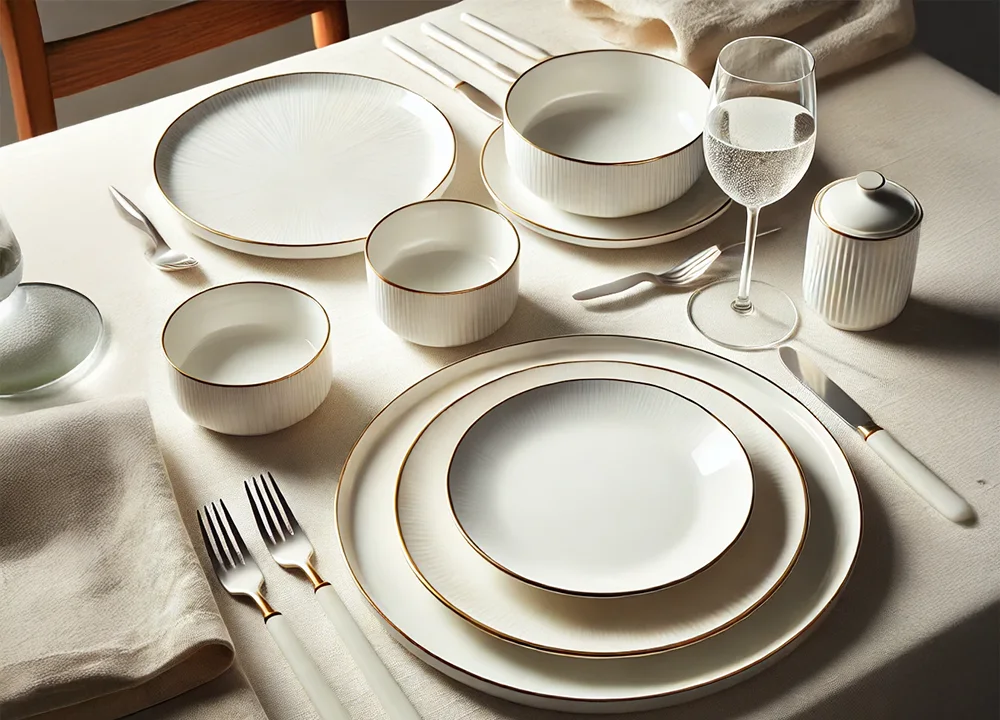
Selecting the perfect ceramic plates can transform your dining experience, whether for daily meals, festive gatherings, or special occasions. The right ceramic plate not only enhances the appearance of your food but also complements your lifestyle and dining preferences. Here’s a comprehensive guide to help you choose ceramic plates that best suit your needs.
1. Consider Your Usage Needs
The primary step in choosing ceramic plates is understanding their purpose. Are you looking for plates for everyday use, occasional gatherings, or formal dining settings? Each type of usage will dictate the style, durability, and design of the plates you choose:
- Everyday Plates: These should be sturdy, versatile, and easy to clean. Look for plates with durable glazes that resist chipping and scratching, ensuring longevity even with frequent use.
- Special Occasion Plates: For formal events, consider plates with intricate designs or elegant finishes, like a gloss or metallic rim, which add a touch of sophistication.
- Outdoor or Casual Dining Plates: If you plan to use them for outdoor or casual meals, lightweight ceramic plates with simple designs are ideal, as they’re easy to handle and clean.
2. Choose the Right Size and Shape
Ceramic plates come in various sizes and shapes, each suited to different dining requirements. Here are some popular options:
- Dinner Plates (10-12 inches): These are perfect for main courses and larger meals.
- Salad/Appetizer Plates (7-9 inches): Smaller in size, these plates are ideal for starters, side dishes, or light meals.
- Dessert Plates (6-7 inches): Perfect for sweets, pastries, or small portions.
- Bowls and Soup Plates: These come in varied depths and are designed for liquids, salads, pasta, and cereal.
Consider how you typically serve your meals and the types of dishes you most often enjoy. For example, round plates are classic, while square or oval plates can lend a modern flair to your table setting.
3. Pay Attention to Material and Durability
Ceramic plates are typically crafted from materials like stoneware, porcelain, or earthenware. Each has unique characteristics:
- Porcelain: Known for its durability and non-porous surface, porcelain is resistant to chipping and often microwave- and dishwasher-safe. It’s ideal for both daily and special occasion use.
- Stoneware: Slightly thicker and heavier, stoneware is extremely durable and versatile. It may have a slightly rustic or earthy appearance, making it perfect for casual dining.
- Earthenware: This material is less durable than porcelain or stoneware and is more porous, which means it can absorb liquids and stain over time. It’s best suited for decorative purposes or occasional use.
4. Choose Colors and Patterns to Match Your Style
Ceramic plates are available in a wide range of colors and designs, from minimalist whites and neutrals to vibrant colors and intricate patterns. Here are a few tips:
- Neutral Colors: White, beige, and pastel shades are versatile, allowing your food to take center stage. These are ideal for those who prefer a classic and timeless look.
- Bold Colors and Patterns: If you want your tableware to reflect your personality, go for vibrant colors and unique patterns. Plates with floral, geometric, or hand-painted designs can add an artistic touch to your table.
- Seasonal or Themed Designs: Some ceramic plates are designed for specific seasons or themes, such as holiday patterns. These can be a fun way to celebrate special occasions but may not be suitable for everyday use.
5. Evaluate Glaze Finish and Texture
The glaze on ceramic plates not only impacts their appearance but also their durability. There are two main types:
- Glossy Finish: Plates with a glossy finish have a smooth, shiny surface, which enhances their appearance and makes them easier to clean. However, they may show scratches more easily.
- Matte Finish: These plates have a softer, non-reflective appearance, which can be stylish and modern. They may be slightly more prone to staining, so extra care might be required.
Some plates also feature textured surfaces, which add visual interest and provide a tactile experience. However, highly textured or patterned surfaces may be more challenging to clean thoroughly.
6. Check Compatibility with Dishwasher and Microwave Use
If you plan to use the plates frequently or for convenience, it’s essential to check their compatibility with dishwashers and microwaves. Some delicate ceramics or those with metallic decorations may not be microwave-safe. Similarly, not all ceramic plates are designed for high-temperature washing, so confirming this will help maintain the plates’ appearance and functionality over time.
7. Set a Budget
Ceramic plates come in a wide price range, depending on factors such as brand, material, and craftsmanship. Setting a budget beforehand can help you navigate options more effectively. Quality ceramic plates can be an investment, as they last for years, so consider your budget as well as the long-term value of the plates.
8. Mix and Match for a Personal Touch
One of the advantages of ceramic plates is the ability to mix and match different designs and colors to create a unique, personalized table setting. You can pair minimalist dinner plates with patterned appetizer or dessert plates for added interest, or combine colors within a similar palette. This approach allows you to adapt your tableware to different dining experiences and express your personal style.
Choosing the right ceramic plates involves a balance of style, functionality, and durability. By considering your needs, the types of meals you serve, and your aesthetic preferences, you can select ceramic plates that perfectly enhance your dining space. From everyday meals to elegant gatherings, the right plates will make every dining experience more enjoyable.